[ccfic]
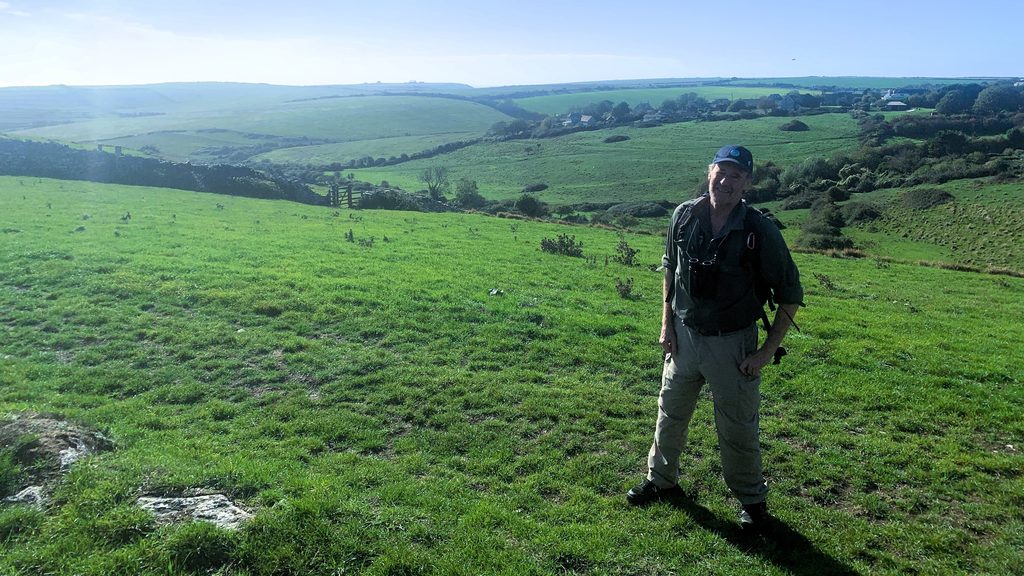
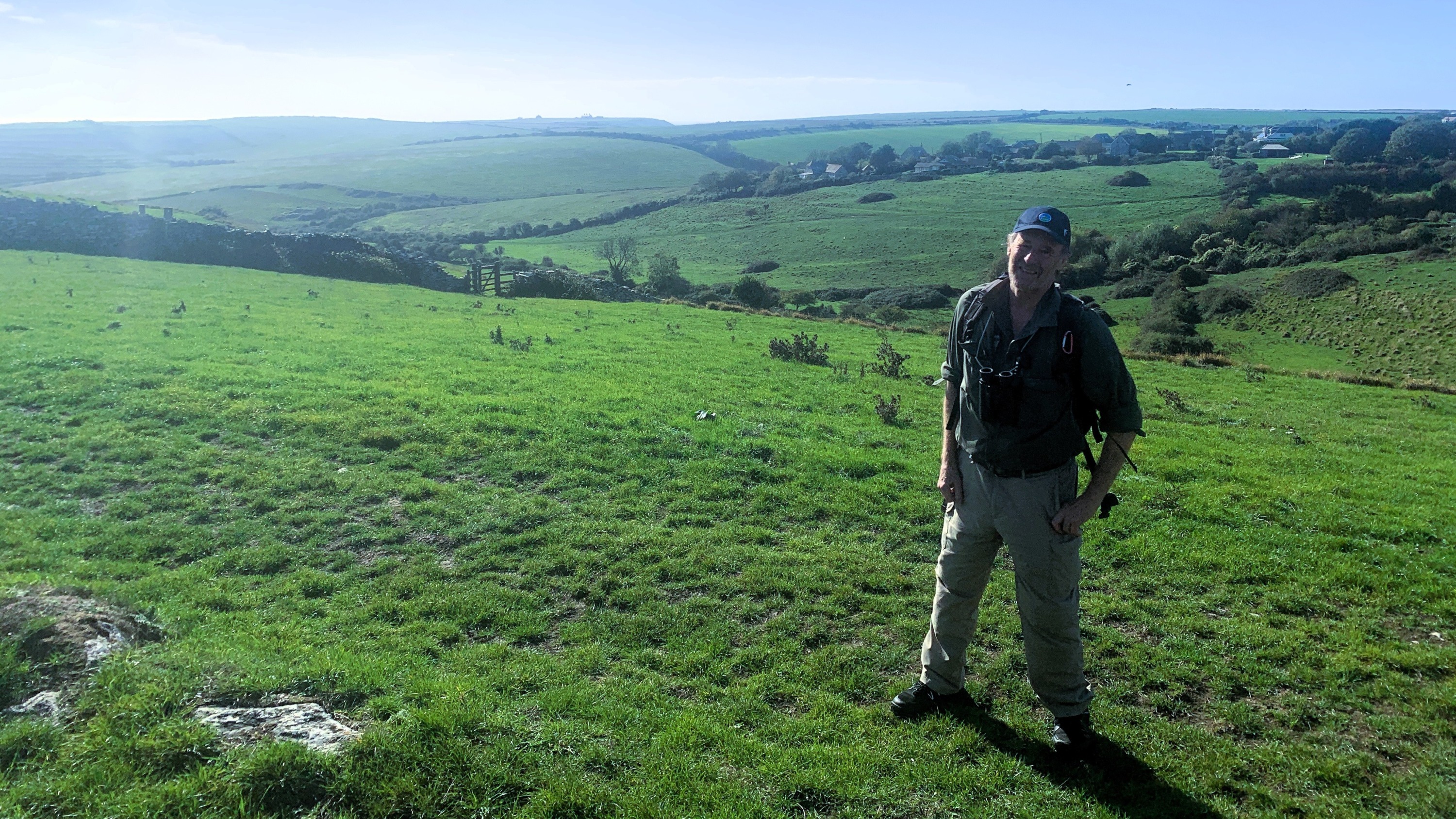
In each newsletter, Meet the Forum will introduce you to one of the people behind the scenes or out in the field—those who bring energy, expertise and enthusiasm to our shared work. This time we spoke to Tony Fulford.
- What brought you to the PNHF? Was there a particular person, event, survey or opportunity that first got you involved?
Dorset Flora Group forwarded me an invitation to join the inaugural meeting of the PNHF in Jan 2022. I was attracted by the opportunity to engage in important surveys and broaden my knowledge in a wide variety of areas.
- Can you remember when your interest in nature really took hold? Was there a particular species, place or experience that sparked it?
I don’t remember a time when the natural world did not fascinate me. At the age of about 6 years we listened to a radio series for schools called “How Things Began”. That had me totally enthralled from the very first episode (about the Cambrium Period so not the dinosaurs). My first visit to the London Natural History Museum was also life-changing. I quickly identified my first scientist hero: Mary Anning. Next came David Attenborough and a long-held but, sadly, never-to-be-fulfilled plan to join him in Madagascar … as expedition artist. Throughout my childhood I went through phases of interest in wild flowers, fungi, beetles, birds. Of course, much of that was about seeking and identifying new species but the fascination with evolutionary origins and relationships never left me.
- What have you been getting up to in the field recently? Tell us about the surveys, recording or conservation work you’ve been involved in.
I have been involved in Heathland Breeding Birds, botany, dragonflies and glow-worms surveys. There is great satisfaction in carrying out solo surveys, such as the Heathland Breeding Bird, but I equally enjoy the social side of group surveys, such as the botany and pond surveys.
Although not part of the Forum’s work, I also enjoy the visitor engagement I do with the RSPB at Arne, the Wildlife Trust at the Wild Sea Centre in Kimmeridge and the Bournemouth Natural Science Society.
- Is there a particular species, habitat or place in Purbeck that always gets your attention? What makes it special to you?
The carnivorous bog plant species, such as the Bladderworts and Sundews. Also the Marsh Gentians, in my opinion Britain’s most stunning flower and to be found in profusion on some of our marshier sites. I guess I am saying I am partial to bogs and the surprising organisms found there.
- What do you enjoy most about being involved with the PNHF? Is it the people, learning new skills, discovering new places, contributing to conservation — or something completely different?
All the above are important to me. The other aspect probably would mean a little less if they weren’t shared with other like-minded people.
- What is the most memorable species you have seen while out surveying?
Stumbling across one bewildered looking Hoopoe whilst surveying for Woodlarks last year only to find another when conducting a farmland birds survey a week or so later.
- What do you think volunteers bring to nature conservation that might otherwise be missed?
Numbers – it would be prehibitively expensive to employ a similar number of experts. Also local knowledge and expertise. And enthusiasm: volunteers work purely for the love of it without concern for recompense or career building.
- And finally, if you could join any wildlife survey anywhere in the world for a day, where would you go and what would you hope to find?
Tropical lowland forests of South America to see the courtship displays of as many Manakin species as possible. Failing that, I’d return to Kiang West in The Gambia in a heart beat to meet old friends, both avian and Mandinka.